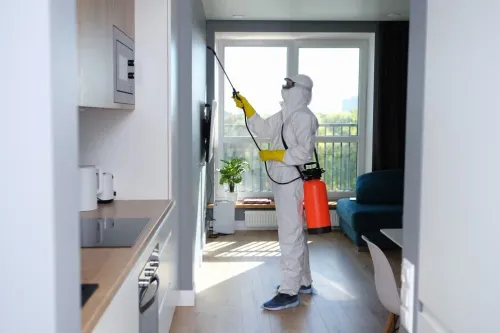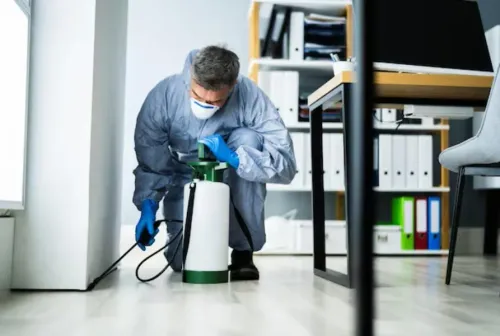


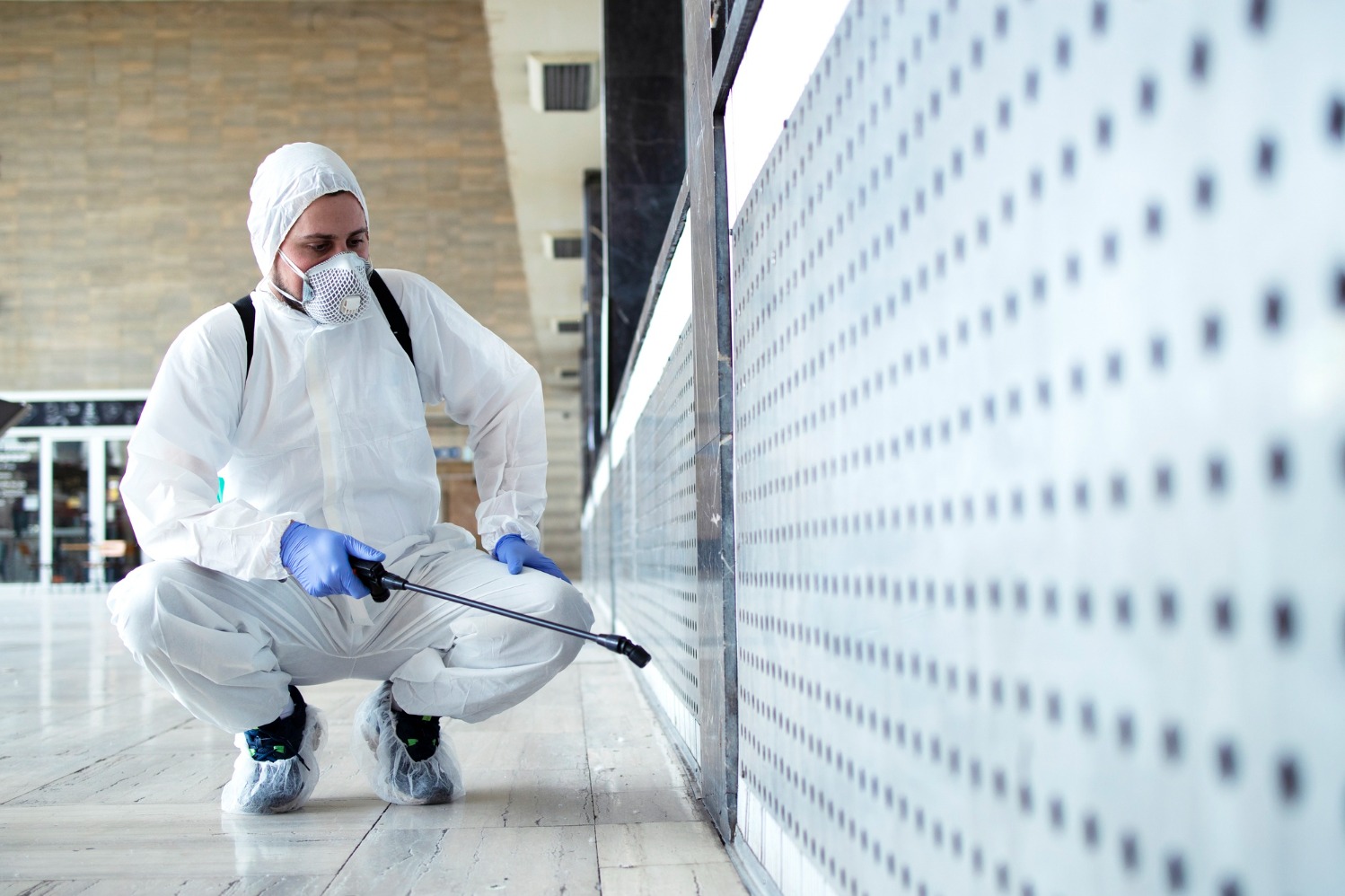
Some commercial environments require pest management to be planned with additional sensitivity. Banks contain customer areas, document storage, electrical systems, cash-handling spaces, and restricted sections. Hospitals operate around patients, medical staff, food services, waste-management systems, pharmacies, and sensitive equipment.
For these reasons, Pest control for banks and hospitals should focus on targeted treatment, careful scheduling, monitoring, and prevention rather than indiscriminate pesticide application.
In Pune, Maharashtra, both sectors operate in busy environments where pest activity must be addressed without unnecessarily interfering with daily operations.
Different Buildings Create Different Risks
Banks may experience cockroach activity around pantry areas, rodents near storage or utility sections, and termites affecting wooden fixtures or records.
Hospitals can face pest pressure around kitchens, drainage areas, waste-handling zones, stores, cafeterias, external landscaping, and utility sections.
The treatment plan should therefore reflect the specific building rather than applying the same process everywhere.
Inspection Should Come First
Before treatment, technicians should identify:
- Pest species
- Location of activity
- Possible entry routes
- Food and moisture sources
- Sensitive areas nearby
- Suitable treatment timings
- Areas requiring ongoing monitoring
This information helps determine which methods can be used and where.
Treatment Timing Matters
Busy institutional environments may not allow unrestricted access during normal working hours.
Treatment can often be planned section by section or scheduled during lower-activity periods, depending on the infestation and building requirements.
Targeted methods may also help reduce unnecessary treatment of unaffected spaces.
Sanitation and Maintenance Support Pest Control
Even well-managed institutions can experience pests when structural conditions create access.
Leaks, damaged drain covers, gaps around pipes, poorly sealed doors, accumulated waste, and food residues can all contribute.
Lifecare Pestcontrol Services Ecofriendly service provides pest-management support for institutional and commercial properties in Pune with consideration for the way each site operates.
Monitoring Provides Early Warning
Monitoring is particularly valuable in properties where waiting for visible infestations is undesirable.
Strategically placed monitoring points and regular inspections can help identify changes in pest activity.
Facility teams should also establish a simple internal reporting process so employees can record sightings immediately rather than assuming someone else will handle the issue.
Prevention Should Be Continuous
A single treatment cannot prevent every future pest entry.
Banks and hospitals can strengthen prevention by maintaining drainage, controlling waste, managing food-storage areas, sealing structural openings, inspecting deliveries, and reviewing pest records periodically.
For sensitive commercial environments in Pune, successful pest management depends on planning. Inspection, targeted application, appropriate scheduling, sanitation, maintenance, and ongoing monitoring together create a more responsible approach than treating pest control as an occasional emergency service.