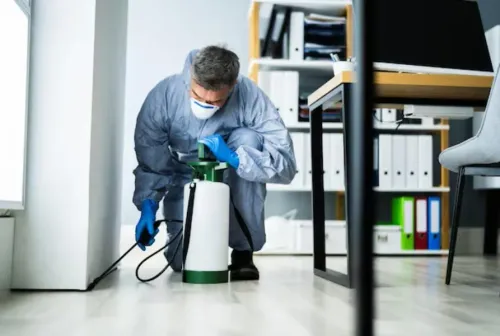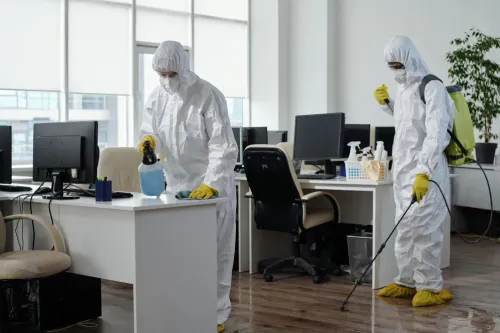


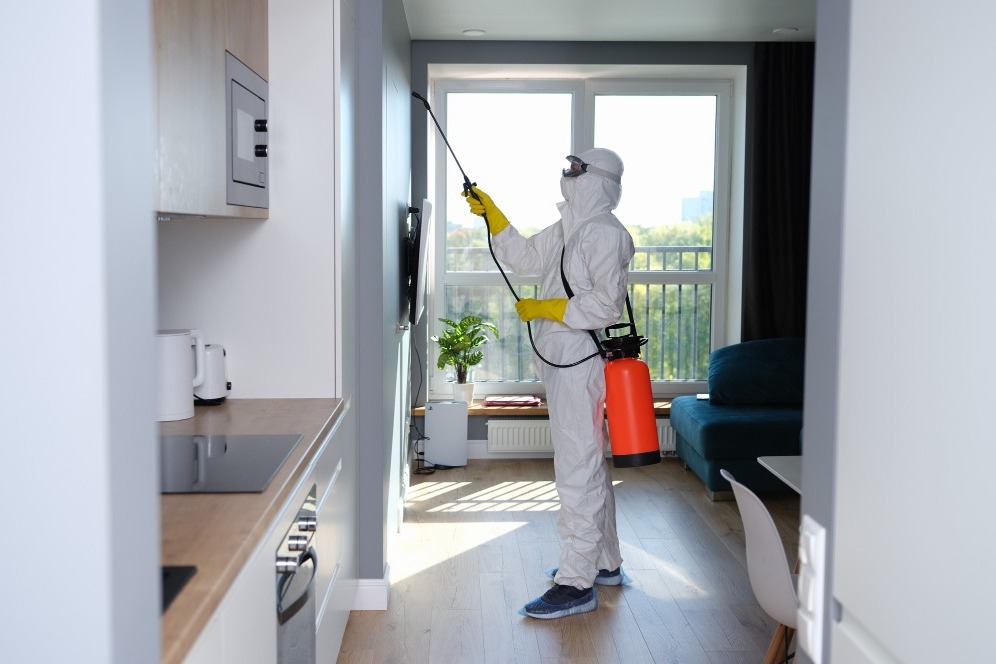
Factories and production facilities contain many pest-attracting conditions that can easily be overlooked during everyday operations. Incoming materials, packaging, pallets, waste, water sources, loading docks, canteens, and storage areas can all create opportunities for pests to enter and spread.
A planned approach to Pest management for manufacturing units helps facility teams identify these vulnerabilities while keeping pest-control activity aligned with production schedules.
Manufacturing businesses across Pune, Maharashtra, can benefit from treating pest management as part of routine facility maintenance rather than waiting for a serious infestation.
Map Pest Risk Across the Facility
A manufacturing site should not be treated as one uniform area.
Different sections create different risks. Raw-material storage may attract pests associated with packaging or stored goods, while drainage areas can support cockroach activity. Loading docks may allow rodents to enter when doors remain open.
Creating a simple risk map helps determine where inspections should be concentrated.
Examine Incoming Materials
Pests sometimes arrive inside cartons, wooden pallets, packaging materials, or other incoming goods.
Receiving teams should watch for:
- Damaged cartons
- Droppings
- Webbing or insect remains
- Gnaw marks
- Unusual holes in packaging
- Live insects around pallets
Suspicious materials can then be isolated before they enter the main storage or production area.
Keep Storage Organised
Clutter makes inspection difficult and provides hiding places.
Materials should be stored in a way that allows housekeeping and inspection around walls, corners, racks, and floors.
Where practical, maintaining space between stored materials and structural surfaces makes signs of pest activity easier to detect.
Control Food and Waste Sources
Employee canteens, pantry areas, waste bins, and discarded packaging can create significant pest pressure.
Waste should be removed regularly, bins should remain properly covered, and food preparation areas should be cleaned consistently.
Lifecare Pestcontrol Services Ecofriendly service supports pest-management requirements for manufacturing environments in Pune, including inspection and treatment planning according to site conditions.
Monitor Building Perimeters
The external environment is equally important.
Overgrown vegetation, standing water, damaged drains, open utility gaps, and poorly maintained waste areas can encourage pests close to the building.
Regular perimeter inspection can identify problems before pests move indoors.
Record and Review Pest Activity
Each sighting provides useful information.
Facility teams should record where activity was found, what pest was observed, what corrective action was taken, and whether the problem returned.
Over time, these records reveal patterns that may not be obvious from individual incidents.
For manufacturing units in Pune, systematic pest management combines inspection, housekeeping, storage discipline, exclusion, monitoring, and targeted treatment. When these measures are incorporated into routine facility practices, pest risks can be managed more consistently without relying only on emergency treatments.