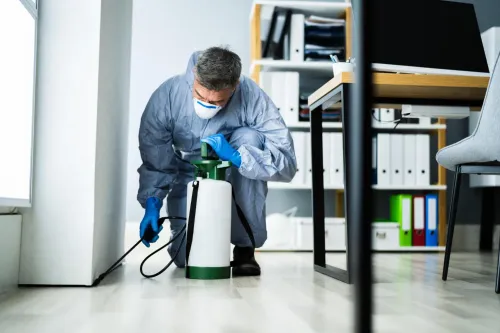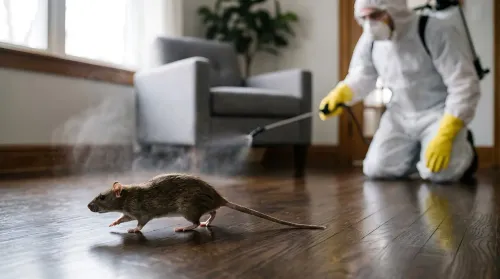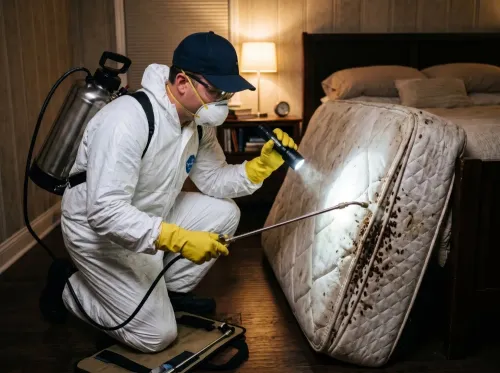



One of the most frustrating pest problems is recurrence. A kitchen is treated, cockroaches disappear for a while, and then they return. Rodent activity seems to stop but scratching noises begin again weeks later. When this happens, homeowners may assume the treatment failed, although the real issue can be untreated harbourage or continuing access to food, water, and shelter.
Effective Pest Control on NIBM Road therefore involves more than reacting to visible pests. Understanding why they are returning is equally important.
The source may not have been addressed
Visible pests often represent only part of an infestation. Cockroaches can remain behind cabinets, near plumbing, inside cracks, and around drainage systems. Rodents may travel through pipe gaps or utility openings.
If these locations remain accessible, pest activity can continue even when visible insects or rodents have been removed.
Food availability encourages pest activity
A clean-looking kitchen can still provide enough food for pests. Grease beneath appliances, crumbs behind cabinets, pet food, open grocery packets, and poorly sealed waste bins can all become food sources.
Useful preventive habits include:
- Storing grains and dry foods in closed containers
- Cleaning below kitchen appliances periodically
- Removing waste regularly
- Avoiding uncovered pet food overnight
- Wiping spills promptly
These measures do not replace treatment when an infestation exists, but they can make the environment less favourable.
Moisture is another major factor
Cockroaches and several other pests thrive where moisture is readily available. A slow plumbing leak beneath a sink may be enough to support activity.
Bathrooms, utility spaces, balcony drainage areas, and air-conditioning drainage points should therefore be inspected when pest problems repeatedly return.
Entry points can remain unnoticed
Pests do not need an open front door. Cracks around utility pipes, poorly sealed windows, door gaps, drainage connections, and service ducts may provide access.
Rodents in particular can exploit small openings. Closing appropriate entry points after identifying active routes can form an important part of long-term control.
Treatment needs to suit the pest
Repeatedly applying general household sprays is unlikely to solve every infestation. Different pests behave differently and require targeted management.
A professional inspection from Lifecare Pestcontrol Services Ecofriendly service can help identify harbourage, pest routes, and environmental conditions before an appropriate treatment plan is selected.
NIBM Road is part of Pune's expanding residential landscape, with apartments, societies, restaurants, shops, and mixed-use properties creating varied pest-control requirements. For residents in this part of Maharashtra, recurring infestations are best approached as a source-management problem rather than a cycle of repeated spraying.
When pest access, harbourage, food availability, moisture, and treatment are considered together, households have a much stronger foundation for keeping recurring pest activity under control.