

Many homeowners today are looking for pest control options that align with cleaner living practices. This has increased interest in Herbal Pest Control, especially among families with children, senior citizens, and pets. While the term is becoming more common, many people still wonder what herbal pest control actually means and when it is appropriate.
Understanding how these treatments work can help homeowners choose solutions that suit both their pest management needs and household preferences.
What Is Herbal Pest Control?
Herbal pest control generally refers to treatments that use plant-derived ingredients or lower-toxicity formulations as part of pest management strategies.
These treatments are designed to manage pest activity while considering indoor environments where families spend most of their time.
However, the exact products and treatment methods may differ depending on the pest involved.
Situations Where Herbal Treatments May Be Considered
Herbal pest control is often discussed for:
- Residential apartments
- Independent homes
- Children's rooms
- Schools
- Clinics
- Offices
- Small commercial establishments
The suitability of herbal methods depends on the type of infestation and its severity.
Can Herbal Treatments Handle Every Pest?
Not always.
Some infestations, particularly advanced termite colonies or large rodent problems, may require specialised treatment methods beyond herbal solutions.
Professional inspection helps determine whether herbal treatment alone is appropriate or whether a combined approach would provide better results.
Benefits Often Associated with Herbal Pest Control
Many property owners prefer herbal options because they may offer:
- Reduced odour during treatment
- Cleaner indoor experience
- Suitable options for routine preventive maintenance
- Targeted application methods
- Greater comfort for occupied spaces when used appropriately
Treatment recommendations should always be based on inspection findings rather than preference alone.
Pest Prevention Still Matters
Even the best treatment performs better when supported by preventive habits.
Important preventive measures include:
- Cleaning food spills immediately
- Keeping drains clean
- Removing standing water
- Storing groceries properly
- Sealing cracks around doors and windows
- Maintaining dry storage areas
These practices reduce conditions that attract pests.
Questions Worth Asking Before Booking
If you're considering herbal pest control, ask:
- Which pests can this treatment manage?
- Is inspection required beforehand?
- Will follow-up visits be needed?
- How long does the treatment remain effective?
- What precautions should occupants follow?
Understanding these details helps avoid unrealistic expectations.
Herbal Pest Control in Pune
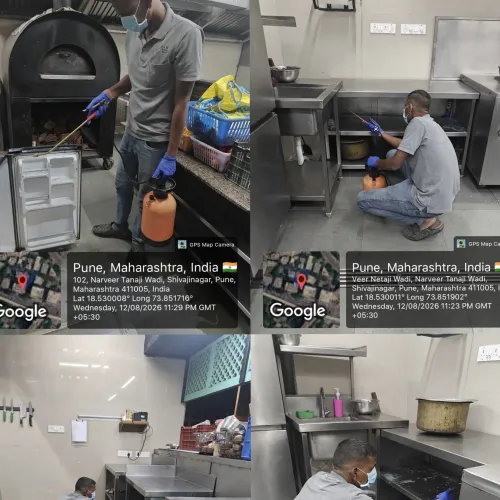
Urban living in Pune often involves shared walls, common drainage systems, landscaped gardens, and nearby construction sites. These factors influence pest activity regardless of whether a property is new or old.
As a result, preventive inspections remain valuable even when herbal treatments are chosen.
Choosing the Right Service Provider
A responsible pest management company evaluates:
- Pest species
- Infestation level
- Property layout
- Occupancy
- Environmental conditions
Instead of recommending one solution for every property, the treatment plan should be tailored to actual inspection findings.
Providers such as Lifecare Pest Control Services assess each situation individually before recommending herbal or other suitable pest management options for residential and commercial properties across Pune. Selecting the right treatment, along with maintaining good hygiene practices, contributes to long-term pest prevention.