

Bed bug bites alone cannot confirm an infestation, and treating only the visible bedroom often leaves eggs, furniture harbourages, or neighbouring rooms untouched. You will learn how to identify the insect, map its spread through a Kalyani Nagar home, compare treatment methods, and prepare for follow-up without spreading bugs further.
Key takeaways
- Confirm bed bugs with physical evidence, not bites alone.
- Capture a specimen in clear tape or a sealed container for identification.
- Compare heat, steam, chemical and DIY methods by infestation size and access.
- Plan follow-up inspections because one treatment rarely finds every hidden bug.
Confirm Bed Bugs Before Choosing a Treatment
Do not choose bed bug treatment options from bites alone. A bite pattern cannot confirm an infestation: skin reactions vary, and some people show no marks. In a Kalyani Nagar flat, look for physical evidence around sleeping areas and capture a specimen in clear tape or a sealed container for identification.
- Live, reddish-brown, apple-seed-sized bugs around mattress piping, the bed frame, or headboard.
- Translucent shed skins, which resemble empty insect shells.
- Pearly white eggs, about 1 millimetre long, glued into cracks or fabric seams.
- Black faecal spotting that resembles ink dots, plus rusty blood marks on sheets.
- Clusters of bugs or spotting in mattress seams, divan joints, and bed-frame gaps.
| Possible cause | Clues that support it | What separates it from bed bugs |
|---|---|---|
| Bed bugs | Bugs, shed skins, eggs, black spotting, or blood marks near beds | Evidence appears in harbourages, not just on exposed skin |
| Fleas | Itchy bites concentrated around ankles and lower legs | Jumping insects and pet bedding involvement point elsewhere |
| Mosquitoes | Itchy raised bumps on exposed skin, often after dusk | No eggs, spotting, skins, or clustered mattress evidence |
| Carpet beetles | Larvae, bristly shed skins, or fabric damage | Larval hairs cause irritation; adults do not create bed bug signs |
| Cockroach nymphs | Fast-moving, long-antennaed insects near food, drains, or cupboards | They do not form mattress-seam clusters or leave bed bug spotting |
| Allergic reaction | Rash without an insect, eggs, skins, or faecal marks | A clinician can assess the rash; cleaning the bed will not prove its cause |
Inspect the Home and Estimate the Infestation
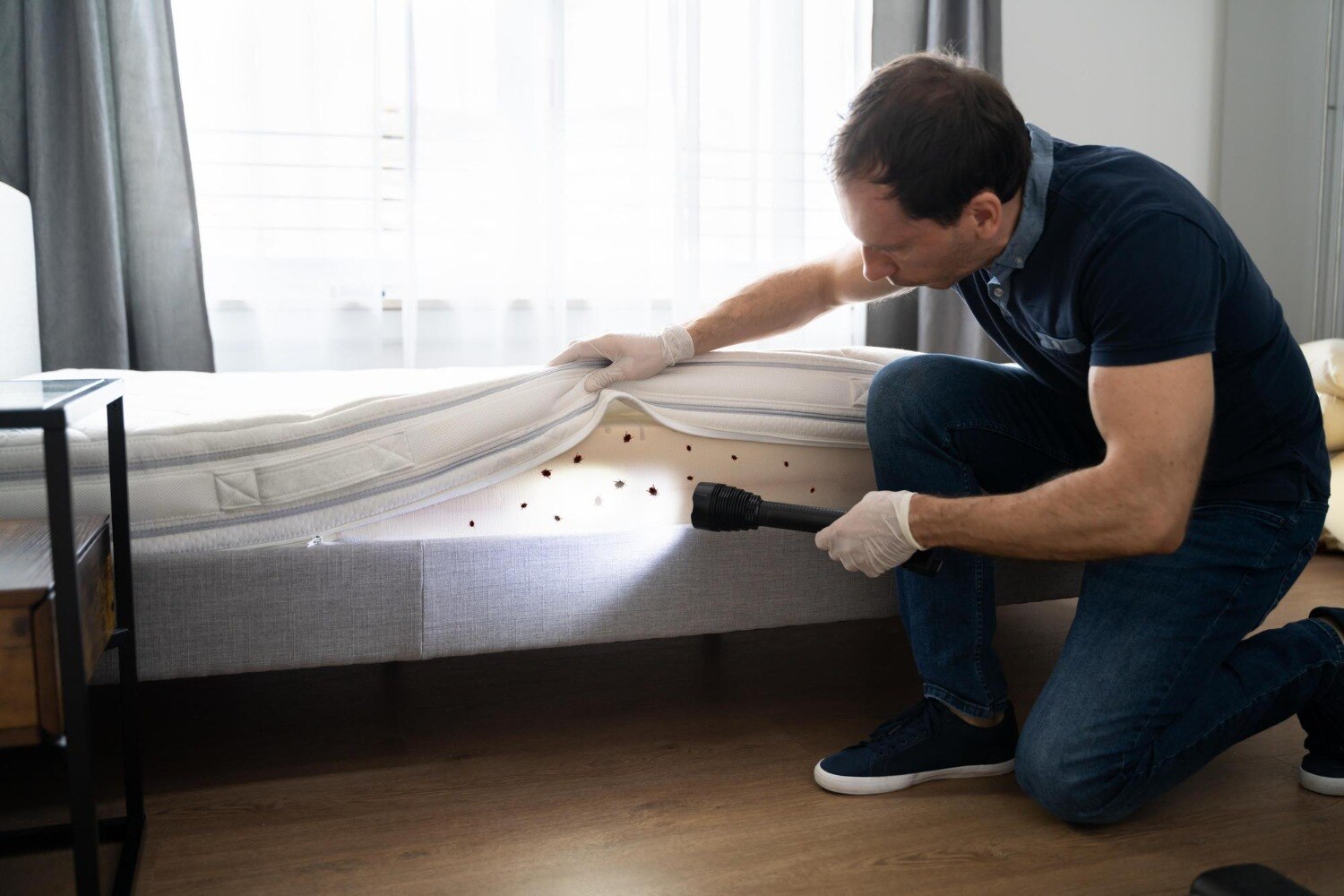
Start at the bed where activity was noticed, then inspect the entire sleeping area rather than only the mattress surface. Lift the mattress, examine its piping and seams, and check the divan base, bed frame joints, screw holes, headboard, and the floor-wall junction. Use a torch; bed bugs hide in narrow, dark gaps.
- Mattress edges, box or divan bases, and headboards: look for live bugs, translucent shed skins, pearly eggs, black faecal spotting, rusty blood marks, and clustered evidence.
- Sofas, recliners, and upholstered chairs: inspect seams, zips, underside fabric, and the space behind them, especially if anyone naps there.
- Curtains, skirting boards, cracks, and electrical fittings: inspect edges and cover plates without opening live electrical equipment.
- Luggage, handbags, backpacks, and clothing storage: check seams, folds, wheels, and nearby floor areas.
- Adjacent bedrooms and guest rooms: repeat the bed and furniture inspection even if nobody reports bites there.
The infestation extends beyond one bed when evidence appears on a sofa, in another bedroom, inside luggage, or along a corridor-side wall. Bugs in multiple rooms, repeated activity after cleaning, or signs near shared plumbing and electrical routes point to movement through the flat rather than a single mattress.
In a Kalyani Nagar flat, tell the building manager if adjoining homes share walls or corridors. A thorough bed bug removal kalyani nagar plan must account for those connected spaces, or untreated harbourages can cause re-infestation.
Compare Chemical, Heat, Steam, and DIY Methods
No single method wins every home: infestation size, clutter, building layout, occupants, and untreated hiding places determine which bed bug treatment options will work.
| Option | Effectiveness | Preparation and disruption | Safety | Follow-up |
|---|---|---|---|---|
| Chemical | Residual insecticides treat cracks and harbourages, but resistance and surviving eggs can cause failure. | Moderate preparation; rooms may need temporary vacancy. | Use only label-approved products and application rates; avoid unapproved sprays. | Reinspect and repeat only when the label permits. |
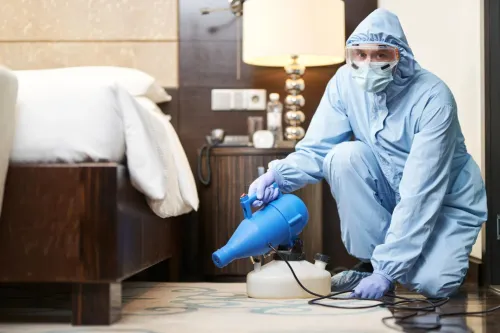
| Heat | Whole-room heat can reach insects and eggs when temperatures are monitored throughout the space. | High disruption; remove heat-sensitive items and leave the room during treatment. | Professionals must control temperature to protect people, pets, electronics, and finishes. | Inspect adjoining rooms and monitor for survivors. |
| Steam | Effective on mattress seams, joints, and cracks when the nozzle moves slowly enough to heat the surface. | Low to moderate disruption; surfaces need time to dry. | Steam can damage electronics, finishes, and moisture-sensitive materials. | Treat missed harbourages again; it is not a guaranteed whole-room method. |
| DIY | Vacuuming, laundering, dryer heat, encasements, and monitors reduce bugs but rarely solve an established infestation alone. | Lower cost, but repeated labour and careful monitoring are demanding. | Foggers can spread bugs and create fire, inhalation, or poisoning hazards. | Check monitors and hiding places for weeks. |
For bed bug control in Pune, an integrated plan usually combines inspection, physical removal, encasements, monitoring, and targeted insecticide. One spray is not proof of completion: eggs can hatch later, and bugs can remain in untreated rooms.
Prepare Without Spreading Bugs Through the Building
Do not carry bedding, clothing, luggage, or furniture from an affected room into a clean one. That shortcut spreads insects through corridors, vehicles, guest rooms, and replacement furniture before treatment begins.
1. Reduce clutter, but keep belongings in the same room until they are bagged and sealed. Use sturdy plastic bags or lidded containers for clothing, bedding, and loose items; mark each container and follow the treatment provider’s instructions for washing, drying, or inspection.
2. Do not move a bed, sofa, divan, mattress, or bedside table to another room. If you discard furniture, wrap it completely in plastic before it leaves the flat, seal the wrapping, and mark it “bed bugs” so nobody reuses it.
3. Vacuum only as directed, then seal the vacuum contents in a bag and place it outdoors. Do not use an infested vehicle to transport unwrapped belongings, mattresses, or replacement furniture.
4. Tell the building manager and occupants of adjoining flats. Bed bugs can travel through wall voids, shared corridors, luggage, and neighbouring rooms, so isolated treatment can fail.
5. Leave treated rooms accessible. Do not stack bags against walls, dismantle furniture unnecessarily, or block skirting boards and bed frames needed for inspection.
Keep replacement furniture out until treatment and follow-up checks are complete. These precautions support bed bug control in Pune by limiting reintroduction while eggs and hidden insects are being addressed.
Choose a Follow-Up Plan for a Pune Flat
Choose a plan that names a follow-up inspection and gives you written re-entry instructions, rather than accepting a single spray as complete bed bug removal kalyani nagar. Ask how the operator will address eggs that survive treatment and cracks or adjoining rooms not included in the first visit.
| Plan | What it covers | What to verify |
|---|---|---|
| Single visit | One inspection and application | Reject it if it promises eradication without a later inspection |
| Integrated follow-up | Initial treatment, egg-hatch check, repeat treatment where the label permits, and monitoring | Confirm the timing, rooms included, and who records findings |
| Building-aware plan | The flat, adjoining rooms, shared corridors, and contact with the manager or neighbours | Confirm how suspected movement beyond your flat will be assessed |
A credible plan specifies preparation, treated areas, monitoring devices or inspection points, and the trigger for another visit. It also names the pesticide’s registration and label directions; never accept an improvised product rotation or a vague “safe after a few hours” promise.
Before paying, ask for a room-by-room scope covering bedrooms, sofas, luggage areas, and adjoining rooms. Re-enter only after the applicator confirms the label’s ventilation and drying requirements; keep children, pets, and residents out longer if instructed. Lifecare Pestcontrol Services :Ecofriendly service should be evaluated by these details, not by the word “ecofriendly” alone.
Treat bed bug for control kalyani nagar as a search phrase, not proof of a complete programme.
Related service
Pest Control ₹2000 Say goodbye to sleepless nights and painful bites with our targeted Bed Bug Eradication service. View service → |
Frequently asked questions
How can you confirm bed bugs before choosing treatment?
Do not rely on bites. Inspect mattresses, bed frames and sleeping areas for physical evidence, then capture a specimen in clear tape or a sealed container for identification.
Which bed bug treatment options can you compare?
Compare chemical treatment, whole-room heat, targeted steam and DIY methods based on the infestation size, treatment access and risk of spreading bugs.
How should you prepare a Kalyani Nagar flat for bed bug treatment?
Follow the treatment provider’s preparation instructions, avoid moving infested furniture between rooms, and seal or contain items before carrying them through the building.
Why is follow-up important after bed bug removal?
Follow-up inspections help detect surviving bugs or newly hatched nymphs after the first treatment, especially in flats where bed frames, furniture and wall gaps provide hiding places.